
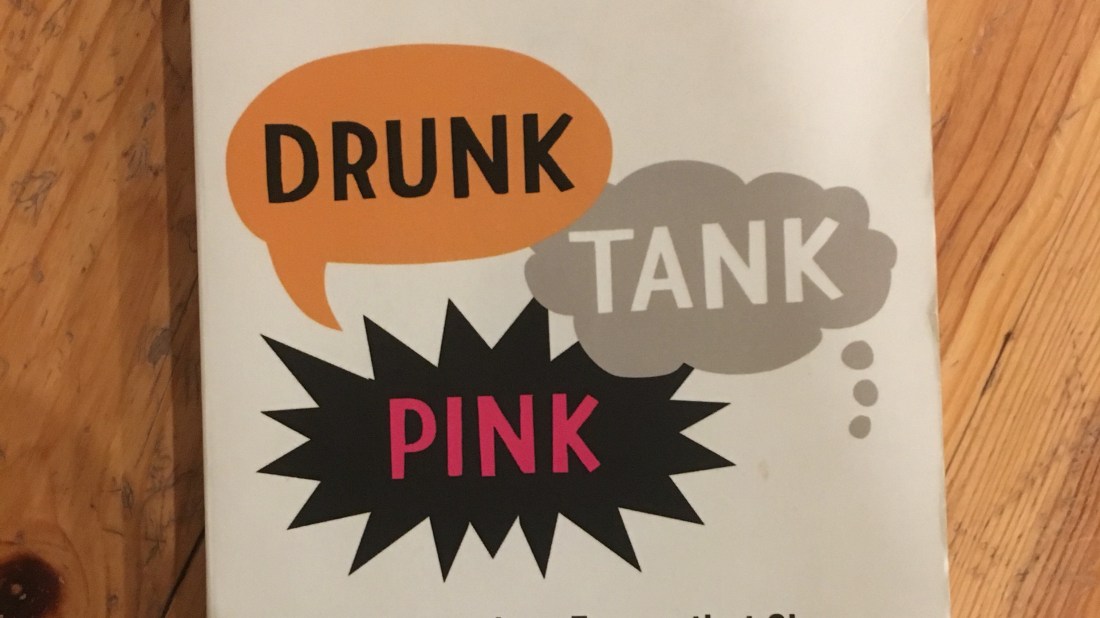
“Labels, like names, shape how we view the world … the people we label as “black”, “white”, “rich”, “poor”, “smart” and “simple” seem blacker, whiter, richer, poorer, smarter and simpler merely because we’ve labelled them so.” – Adam Alter, Drunk Tank Pink
Maybe this is going to sound a bit weird because it is a science book but reading Drunk Tank Pink was kind of well, … fun. Adam Alter reveals all kinds of brain-based phenomena that are interesting, quirky and ultimately enlightening. The book is divided into three sections: The World Within Us, The World Between Us and The World Around Us. Within each section, Alter further breaks down his themes into things big and small – culture, names, colours to name a few. The purpose of the book is to reveal how subconscious forces affect how we think, feel and behave. If you have ever wondered how someone’s name shapes their identity and maybe their future, if exposure to the colour red affects for academic abilities or what makes us feel more or less competitive, these are the kinds of things Alter tackles in his book. His background is an interesting combination of marketing and psychology and his research focuses on decision-making and social psychology. He uses research from his own studies and those of many other psychologists and social scientists to reveal some pretty unexpected ways in which our brains work.
If the science scares you, it shouldn’t. Alter’s writing style is very easy to read and he connects the science to everyday things like watching TV, playing chess and choosing a paint colour to make it relevant and clear (even to an arts major like me). While he describes numerous studies that have been performed in the last several decades, his writing is straightforward and clear – you certainly don’t need a PhD in psycology to understand where he is coming from.
What I found most compelling about this book was how Alter was able to tie seemingly unrelated studies together to comment on much broader social and cultural phenomena. The kinds of issues we address as a society in terms of race and class are actually to some extent linked to the ways our brains are primed to process information. And often its unconscious. We aren’t even aware of the associations we are making or the ways in which the beliefs we already hold are shaping (and sometimes even distorting) new information our brains are presented with. While reading Drunk Tank Pink may feel like a mashup of pop culture (why do more people prefer Coke to Pepsi?) and pop science (turns out men produce more testosterone and take more risks in the presence of a beautiful woman), Alter ends each section with some bigger comments about how the trends that social scientists are identifying in their studies speak to the trends we see in the wider world. If you like books like Freakonomics or the work of writers like Malcolm Gladwell, then you will enjoy Drunk Tank Pink.
And if you’ve been waiting this whole time for me to tell you what the heck ‘drunk tank pink’ even means, well, you should probably read the book too …
Are you planning on reading any of the October line up? Drop me a comment and let me know. Until next week, happy reading!
 Little Ms Word Smith